Is It Okay to Exercise With Pain? A Guide for Active Adults in Las Cruces
If you have ever felt pain during a workout, you have probably asked yourself one question:
Should I stop?
For many active adults, that question creates a lot of anxiety. They may have been told that pain always means damage, or that they should rest until every symptom disappears.
But pain during exercise is not always that simple.
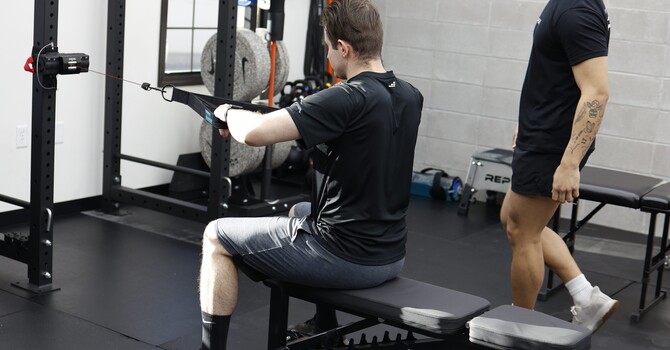
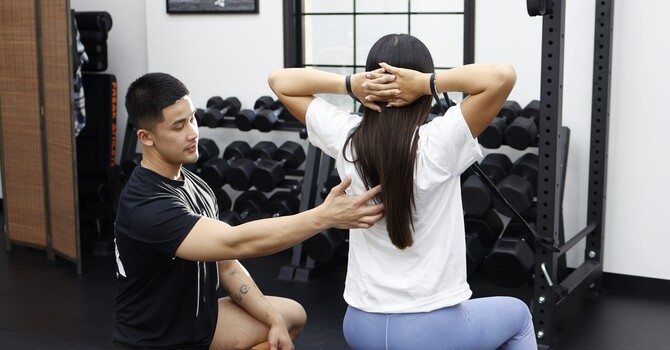
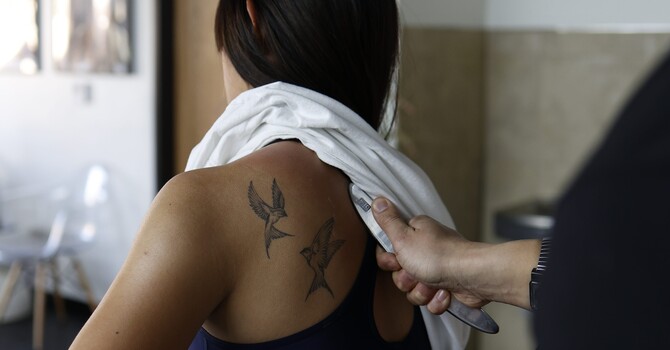
At Peak Movement in Las Cruces, NM, Dr. Eddie and Dr. Andy help active adults understand how to keep moving without ignoring important signals from their body.
Pain During Exercise Does Not Always Mean Damage
Pain is real. It deserves attention.
But pain does not always mean that an exercise is causing harm.
Sometimes your body is reacting to a movement, position, or amount of load it has not been prepared to handle recently. This can happen after an injury, a long break from exercise, a busy season at work, or a flare-up that made you move less.
Your body may need time, strength, and gradual exposure to build confidence again.
Why “Never Feel Pain” Can Be Unhelpful Advice
If you avoid every movement that creates discomfort, you may start avoiding normal activities like squatting, lifting, reaching, walking uphill, or getting on the floor.
That can make your world smaller.
It can also make your body less prepared for the things you want to do.
On the other hand, forcing yourself through intense symptoms without a plan can also be unhelpful.
The goal is not to ignore pain.
The goal is to understand it.
What Should You Pay Attention To?
When deciding whether to continue, modify, or stop an exercise, it can help to consider:
How intense is the discomfort?
Does it feel manageable or sharp and alarming?
Does it change the way you move?
Does it settle down soon after the exercise?
Is it worse later that day or the next morning?
Does it keep increasing as you continue?
Are you able to perform the movement with control?
A mild symptom that stays manageable and settles quickly may call for modification, not complete avoidance.
A symptom that becomes sharp, intense, unstable, or lasts for days may be a sign that the movement, load, or volume needs to change.
Why Context Matters
The same exercise may be appropriate for one person and not for another.
A runner returning after knee pain may need a different progression than a lifter rebuilding confidence after back pain.
A parent with hip pain may need a different plan than someone preparing for a hiking trip.
That is why random exercise advice often falls short.
Your body, goals, history, and current tolerance all matter.
How Peak Movement Helps Active Adults in Las Cruces
Peak Movement provides 1:1 care for people who want more than vague advice.
Dr. Eddie and Dr. Andy help you understand your symptoms, test what your body can tolerate, and create a customized plan that matches your goals.
You will know what movements to continue, what to modify, and how to rebuild confidence over time.
The goal is not to make you afraid of movement.
It is to help you move with more clarity.
Want practical guidance for staying active without guessing? CLICK HERE to book a call with our team!
Follow Peak Movement on Instagram for more tips and tricks on managing pain when exercising!
Dr. Eddie Holguin
Contact Me